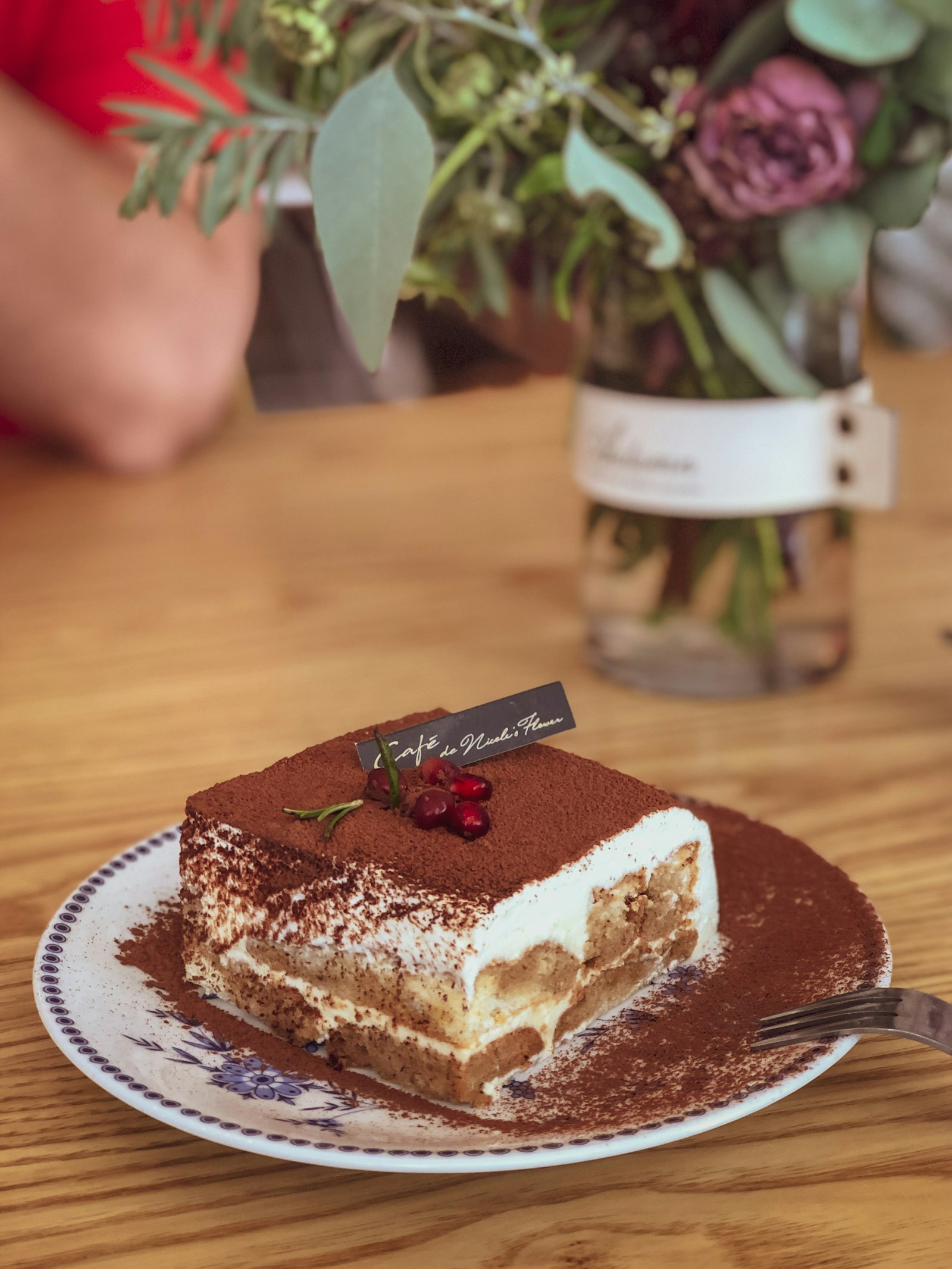
The Corners No One Posts
The Corners No One Posts
A three-star hotel in Umbria renovated its breakfast room with marble tables and industrial lamps. The photographer they hired shot for six hours. Every image went on Instagram, the website, Booking.com.
What nobody photographed: the back hallway where staff hang their coats, the drawer in reception where the owner keeps expired loyalty cards from guests who never returned, the corner of the garden where the wooden bench is splitting. These places don't exist online. Yet they explain more about how a place works—and what it feels like to work there—than any staged flat lay of croissants and linen.
Hospitality has become a visual language, and we've all learned the grammar. But we're only photographing half the sentence.
Why do we hide what actually runs a property?
The rooftop with string lights gets photographed. The laundry room with the broken dryer does not.
There's a practical reason: guests don't want to think about logistics. They want to believe their towel appeared by magic. But the side effect is that we've created a version of hospitality that collapses under scrutiny. The gap between the shot and the off-camera reality grows. And when something breaks—a delayed check-in, a misplaced booking, a staffing crisis—the guest sees it as a failure rather than the ordinary friction of running a physical space with human beings.
A small B&B in Piemonte tried something different last spring. They added a "behind the scenes" page to their site: photos of the linen storage closet (organized by color), the bread delivery at 6:47 AM, the handwritten shift notes in the kitchen. Nothing precious. Nothing curated.
Bookings didn't drop. Repeat guests mentioned it in reviews—not because it was charming, but because it made the place legible. People understood how it worked, so they were more patient when something didn't.
What happens when you photograph the in-between?
The stairwell between floors. The staff bathroom with the mirror someone's written a reminder on. The moment just after a room's been cleaned but before it's been checked.
These aren't beautiful in the conventional sense. But they hold information.
A boutique hotel in Marche started tagging their housekeepers in Stories—not portraits, just hands adjusting a corner of a duvet, re-folding a towel. The direct effect was minor. The indirect effect was larger: guests started leaving notes for housekeeping. Not complaints. Thanks.
Photography in hospitality usually aims to create desire. But it can also create recognition. When someone sees a glimpse of the person who vacuumed their room, they treat the room differently. Not perfectly. But differently.
It's not about being relatable. It's about making the invisible structure visible enough that guests remember there's a structure at all.
When does the unseen become a problem?
Small properties—agriturismi, villas, family-run alberghi—often run on invisible labor. One person answers emails at midnight. Another picks up a 7 AM phone call from a guest locked out. These interactions don't exist in the visual record. When they fail to happen, guests assume neglect.
The real issue isn't the workload. It's that guests have no reference for what's normal. They see the Instagram account updated daily. They assume someone's always there.
This is where infrastructure matters more than aesthetics. A receptionist who's always on—not a person working double shifts, but a presence that responds in real time, in the guest's language, whether it's 3 PM or 3 AM—changes what a property can sustain. It lets the people who run the place step back from the front line without guests feeling abandoned.
Otelya handles the parts that don't photograph well: the late-night WhatsApp from a guest who's lost, the email from someone asking if gluten-free breakfast is possible, the booking inquiry that arrives in Japanese while you're asleep. It responds in 30+ languages, in the tone you'd use, without requiring you to be the one holding the phone.
It's not a replacement for hospitality. It's a way to keep hospitality from collapsing under its own hours.
The photo you'll never take
There's a photo you'll never put on your website: the chair in the office where you sit at 11 PM, scrolling through booking platforms, writing replies you'll regret the phrasing of tomorrow.
That's not a corner anyone wants to see.
But it's the corner that determines whether a place survives another season. And whether the version of hospitality we're performing online can be sustained by the people actually doing it.
Photography can show the pool, the view, the table set for two. It should. But if it never shows the work—not romanticized, just acknowledged—then guests arrive expecting an illusion. And when the person holding it together finally drops a stitch, the whole thing unravels.
The corners no one posts are the ones that matter most. Not because they're beautiful, but because they're load-bearing.
→ Scopri Otelya con 14 giorni di prova gratuita, senza carta: otelya.app