The Thread We Pull When We Choose Where to Stay
The Thread We Pull When We Choose Where to Stay
There's a stone wall behind the kitchen garden that predates the hotel by two centuries. The mortar between its blocks was mixed with ash and river sand by hands we'll never know. When Maria, who tends the herbs each morning, runs her palm along its surface before selecting basil for the day's dishes, she's continuing something that has nothing to do with marketing and everything to do with memory.
This is the quiet arithmetic of staying somewhere that belongs to its place.
We don't announce our sustainability efforts with plaques or certificates in the lobby. Not because we're modest, but because the work itself—the daily, unglamorous work—speaks in a different register. It sounds like the crunch of footsteps on the gravel path to the composting area. It smells like lemon verbena hung to dry in the linen room, waiting to scent pillowcases without a single synthetic note. It looks like Francesco from the village arriving each Tuesday with vegetables still carrying field dirt, their shapes honest and irregular.
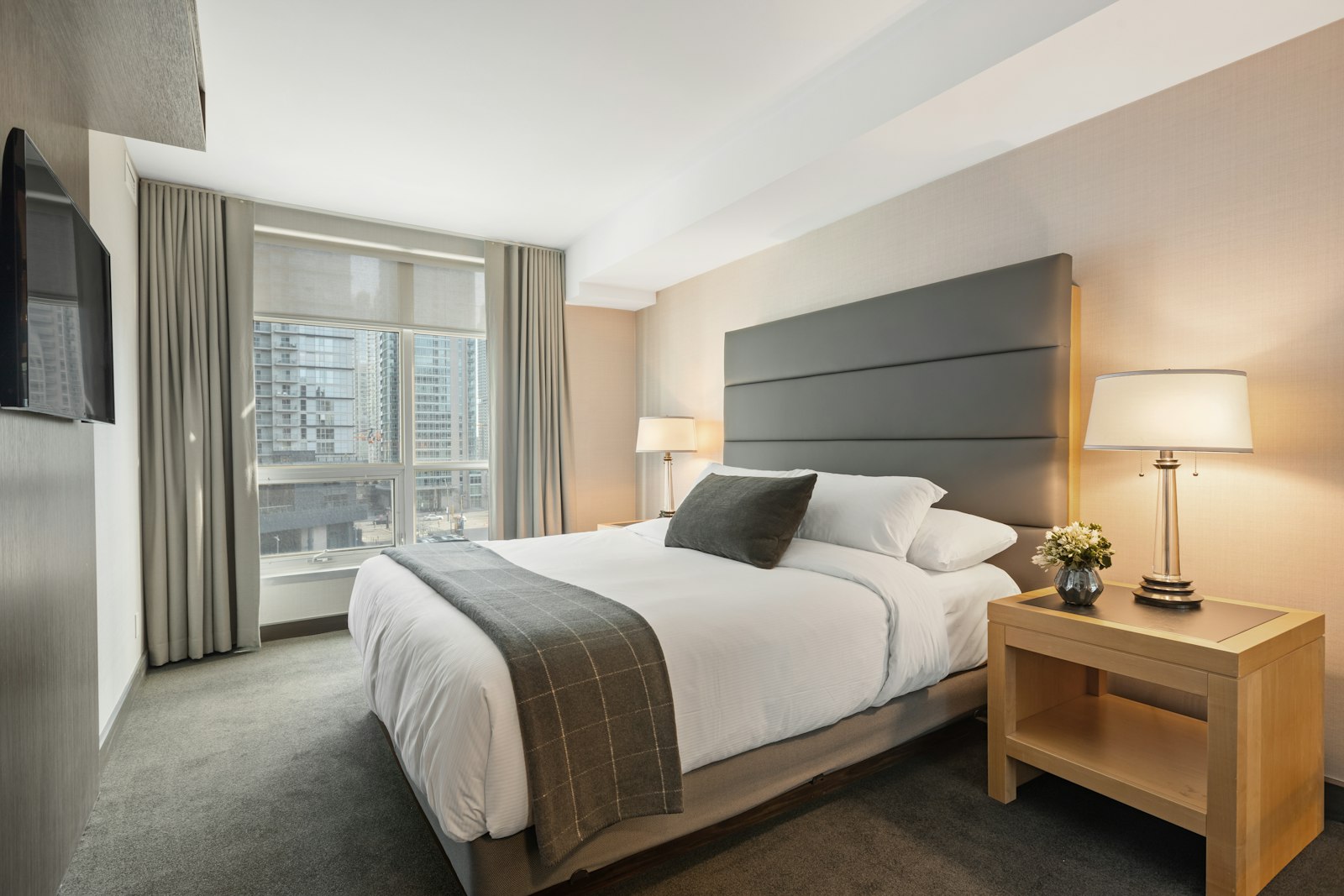
The light fixtures in the corridors were sourced from a shuttered cinema three towns over. Someone had to sand them, rewire them, imagine them into a second life. The bedspreads were woven by a textile collective in the valley that nearly folded during the pandemic. We commissioned enough pieces to keep their looms running through winter. These aren't acts of charity. They're acts of continuation—of keeping the threads between this place and its people taut and strong.
In the bathrooms, you'll find soap wrapped in paper stamped with the logo of a family-run mill that's been pressing olive oil since 1947. The bottles are glass, designed to be refilled. When they're empty, they return to the mill, are sterilized, and begin again. It's a small loop, unglamorous and slow. But multiply it by every room, every week, every year, and suddenly you're looking at tons of plastic that never had to exist.
What We Don't See
The real work happens in margins and thresholds. In the decision to install low-flow fixtures that guests never notice because the water pressure still feels generous. In the choice of LED bulbs calibrated to mimic the warmth of incandescent light, so evenings feel golden without burning through energy. In the staff training that teaches housekeeping to read a room—to understand when sheets actually need changing versus when a guest has barely disturbed them.
There's a quiet radicalism in refusing to wash towels that were hung back up intentionally. In trusting guests to be collaborators rather than consumers.
The breakfast spread includes honey from hives kept by Luca, whose land abuts the northern edge of our property. He doesn't use pesticides, so neither can we—not on the lavender near the pool, not on the rosemary that edges the parking area. The agreement was never formalized. It emerged naturally from shared coffee and conversation, from the recognition that our choices ripple into each other's worlds.
This is the texture of territorial attention: porous boundaries, mutual care, decisions made in consideration of invisible neighbors—the bees, the soil microbes, the underground aquifer we all draw from.
The Economics of Enough
We could accommodate fifty more guests if we converted the southern courtyard into additional rooms. The revenue model is seductive, the construction feasible. But that courtyard is where evening air pools and cools, where swallows nest in the eaves each spring, where the old fig tree drops fruit that the kitchen transforms into jam sold in the village shop to raise funds for the school.
Some calculations can't be made in euros alone.
The wine list features exclusively regional producers—not because we're parochial, but because we know these vintners by name, have walked their rows, understand their relationship to this specific altitude and microclimate. When you order a glass, you're tasting a conversation between these hills and the people who've studied them for generations.
The linens are changed to a schedule that respects both hygiene and resource use. The cleaning products are plant-based, mixed in-house from bulk supplies, effective and unscented. The roof is scattered with solar panels that don't cover our full energy load but reduce it meaningfully. We're not off-grid. We're not perfect. But we're deliberately, daily trying.
The Invitation Embedded in Everything
Perhaps what we're really offering isn't accommodation but a different model of relationship—to place, to community, to the quiet agency each of us carries. Every stay here votes for a local economy, for craftsmanship over convenience, for enough rather than excess.
When you leave, you won't take home a branded tote bag or miniature toiletries in plastic shells. You'll take the memory of morning light through linen curtains, the taste of tomatoes that traveled twenty kilometers instead of a thousand, the cumulative effect of small choices made with care.
Because sustainability isn't a feature we've installed. It's the grammar we speak, the tissue that connects us to this territory and its future.
If this kind of careful attention sounds like the backdrop you need, we'd be honored to host you in it.