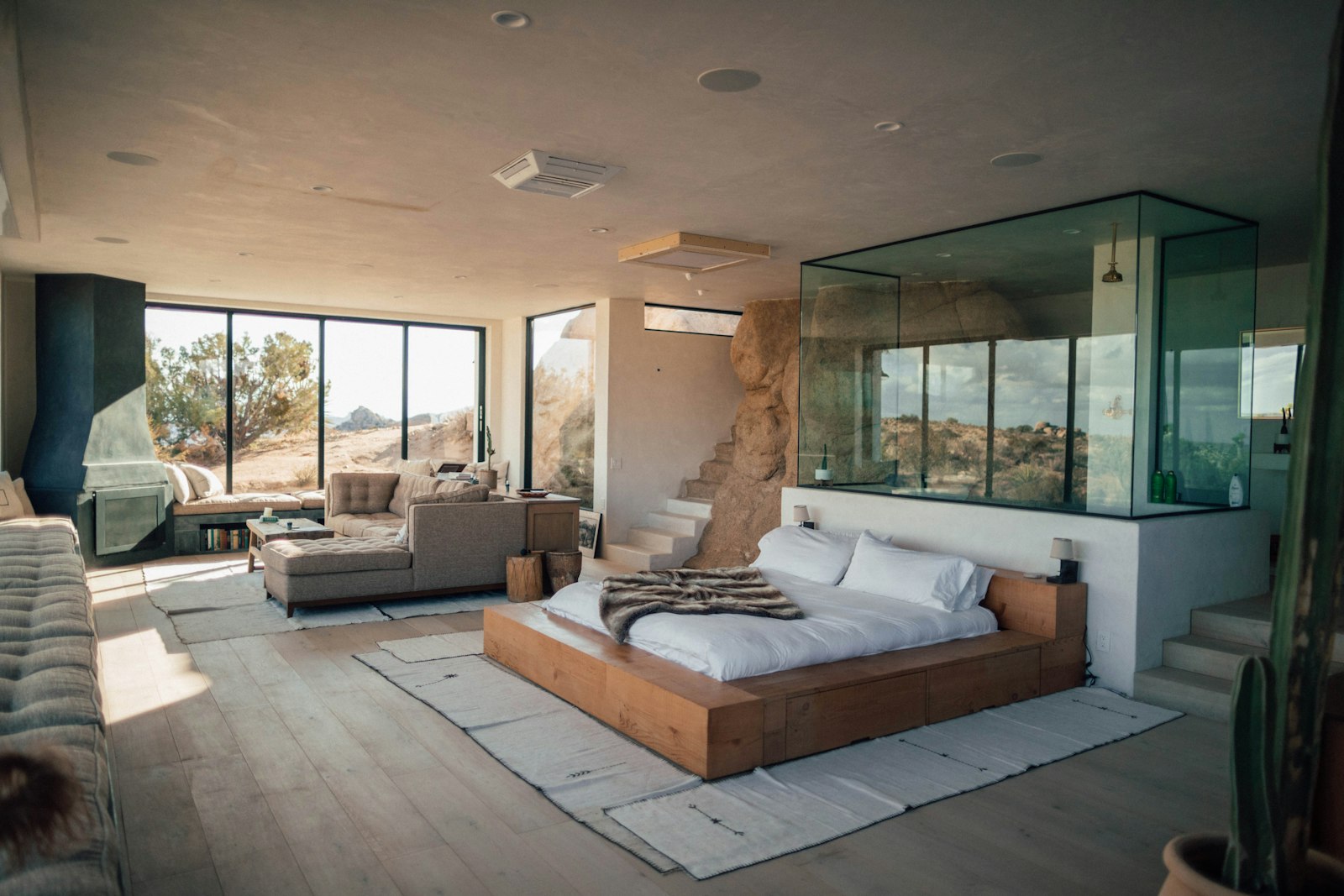
The Table for One That Didn't Feel Lonely
The Table for One That Didn't Feel Lonely
There's a specific kind of panic that hits solo travelers around 7:43 PM. Too late for an exploratory walk. Too early to justify hiding in your room. Dinner looms like a social exam you didn't study for.
But here's what nobody tells you: the right place doesn't just accommodate solo travelers—it restructures itself around your presence.
Perché mangiare da soli si sente ancora come una punizione?
Because most hospitality is designed for pairs. Two chairs. Couples' menus. Romantic lighting that makes your phone screen glow like a confession.
A villa that understands solitude puts you at the corner table—not hidden, but positioned. Where you can watch the kitchen door swing open. Where the host passes by naturally and asks if the burrata is cold enough, not are you okay eating alone?
The difference is architectural. One question invites shame. The other invites conversation.
At breakfast, there's no forced communal table. But there's also no isolation. The cappuccino takes four minutes to make, and the barista mentions that the painter who did the frescoes upstairs was also obsessed with coffee. Suddenly you're not alone—you're in good company with your own curiosity.
Come si progetta un rifugio per chi non vuole essere salvato?
Solo travelers don't need rescue. They need:
- A reading chair with good light and no apology. Not tucked in a corner like an afterthought, but positioned where afternoon sun actually reaches.
- Staff who understand that silence isn't awkward. The boutique hotel that lets you eat breakfast without performing cheerfulness. Where "Buongiorno" doesn't demand a life story in return.
- Flexible rhythms. Check-in at 11 PM because your train was delayed. Breakfast at 10:30 because you finally slept. A kitchen that'll make you a plate at 4 PM because you forgot lunch exists.
- Social infrastructure that's optional. A communal aperitivo hour you can join or skip. A wine tasting where the winemaker talks to the room, not to couples.
The best B&B I ever stayed at solo had a terrace with six chairs. Never paired. Just six independent seats that happened to face the same sunset. I sat there three evenings. Spoke to other guests twice. Sat in silence four times. All of it felt intentional.
Quando l'ospitalità smette di essere un servizio e diventa uno specchio?
On the third day, something shifts. You stop performing "solo traveler" and start actually being there.
The agriturismo owner remembers you drink your espresso cold. The housekeeper leaves an extra blanket without asking because she noticed you reading on the balcony at dawn. Small observations that don't intrude, just... hold space.
This is the heart of refuge: being seen without being watched.
Solo travel gets romanticized as brave self-discovery. But most of the time, it's just a person trying to eat pasta without feeling like a sociological exhibit. The structure that becomes a refuge understands this. It makes aloneness feel like a choice, not a circumstance.
It puts out one towel instead of two, and somehow that single towel feels like abundance.
At QA Villa, we've learned that solo travelers don't need company—they need space that doesn't punish solitude. Sometimes that looks like a table with a view. Sometimes it's just knowing nobody will ask why you're here alone.