When the Light Turns Gold and the Rooms Breathe Differently
When the Light Turns Gold and the Rooms Breathe Differently
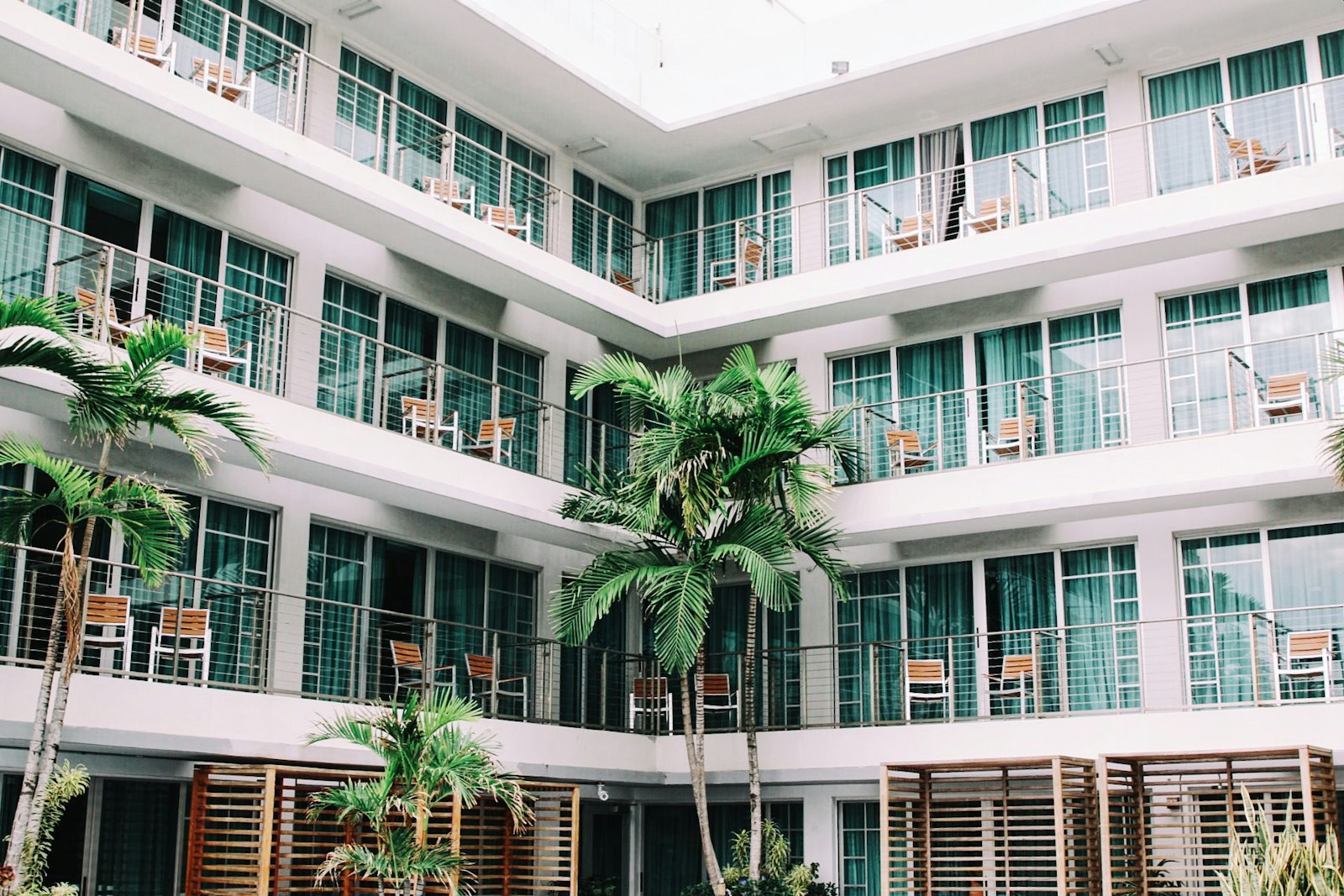
There's a specific kind of quiet that arrives in October. Not the absolute silence of winter, nor the expectant hush before summer storms—something else entirely. A settling. At Otelya HQ, we notice it first in the quality of afternoon light slanting through the courtyard, honey-thick and slowed down, as if even photons have decided there's no rush anymore.
The pool, so exuberantly occupied just weeks ago, now sits still as a mirror most mornings. Occasionally, a single guest breaks its surface at dawn, their strokes visible from the breakfast room where steam rises from cappuccino cups in languid spirals. The water temperature hasn't dropped significantly, but something psychological shifts when September becomes October. Swimming feels like a deliberate choice now, almost ceremonial, rather than the instinctive plunge of July.
The Architecture of Longer Evenings
Our guests begin to linger differently. Check-in at 15:00 used to mean a quick room drop before heading out to explore. Now people actually unpack. They notice the weight of the curtains, test the reading lamp beside the armchair, arrange their books on the nightstand with the care of someone planning to actually stay put. The suite, with its separate sitting area, transforms from luxury to necessity—a place to spread out the pieces of a slower day.
By 18:00, when early autumn dusk starts painting the walls amber, we'll find guests curled in those armchairs with novels, or simply watching the way shadows lengthen across the floor. The WiFi gets used less for frantic work catch-ups and more for queuing up a carefully selected film, the kind with subtitles and long, contemplative shots that would feel indulgent in summer but perfectly appropriate now.
The soundtrack changes too. Footsteps in hallways grow softer, as if everyone's unconsciously adopted the padded gait of library visitors. Conversations at breakfast stretch past 10:00, winding through second cappuccinos and third cornetti. No one's rushing to beat the heat or catch the best light for photographs. The best light now lasts all day, diffused and forgiving.
What Remains When Everything Slows
There's a particular smell that settles into the building as temperatures drop—not quite wood smoke, though someone's always lighting a fireplace somewhere in town, but something deeper. Old stone releasing the summer's stored warmth. Wool blankets pulled from linen closets, their faint scent of lavender mingling with morning coffee. The cleaning staff switches from light citrus sprays to something with base notes of fig and amber, and suddenly every hallway feels like returning home from a long journey.
This is when we meet our guests most authentically. Without the pressure of perfect weather and packed itineraries, conversations happen. Real ones. The kind where you learn someone's actually a botanist, or that they've been coming to this region every autumn for twelve years, always to a different hotel, searching for something they can't quite name. Often, they find it in the in-between moments we can't advertise: the specific creak of old floorboards under bare feet, the way afternoon light catches dust motes in the reading nook, the fact that breakfast can stretch into late morning without anyone checking their watch.
Our parking lot tells its own story. Where summer sees a rapid rotation of cars—different license plates every two nights, rental company stickers, bikes strapped to racks—autumn brings vehicles that sit for four, five, six nights straight. People aren't passing through anymore. They're settling in, treating Otelya HQ less like a base camp and more like a temporary residence. The double rooms, perfectly adequate for summer's brief sleep-and-depart rhythm, reveal their true character: spaces designed for the luxury of time.
The Morning Ritual, Reimagined
Between 7:30 and 10:30, the breakfast room becomes a study in contrasts to summer's version of itself. The same fig jam, the same freshly baked bread, but consumed with different attention. Guests actually taste things now, rather than fuel up for the day ahead. Someone asks about the honey's origin—a local producer, just fifteen kilometers away, whose bees work the late-blooming ivy. This leads to a conversation about foraging, then about the chestnut forests turning color in the hills, then about whether anyone's planning to drive up there this afternoon, and would anyone else like to join?
These impromptu connections happen more in autumn. Summer's social energy feels performative, everyone slightly on stage. But when the season shifts, something more genuine emerges—the camaraderie of people who've all independently chosen to be somewhere when it's not peak season, which is itself a kind of shared value system.
The staff relaxes into it too. With time to actually talk rather than efficiently process, we learn names, remember coffee preferences, understand that room 7 likes their window open all night regardless of temperature, that the couple in the suite takes their breakfast at 9:00 exactly, no earlier, after their morning walk through the property with their dog—yes, we're pet friendly, and autumn guests seem to know this, arriving with beautifully behaved companions who curl up on the wool blankets we provide.
What Gets Found in the Quiet
There's something about autumn's particular quality of time that reveals a place's true character. Without summer's generous light forgiving all flaws, without winter's dramatic severity distracting with its own beauty, the in-between season shows you what's actually there.
At Otelya HQ, what remains is this: well-proportioned rooms that feel right regardless of season. Staff who finally have time to be hosts rather than operators. The accumulated comfort of small, correct choices—the right weight of towels, the proper height of reading lamps, the way the building's old bones settle into cooler temperatures with grace rather than complaint.
The guests who find us in October and November carry this knowledge home with them. They're the ones who return, who recommend us to friends with a specific instruction: "Don't go in August. Go when the light turns gold."
Autumn rooms available now at €120 per night for doubles, €180 for suites. Sometimes the best discoveries happen when everyone else has gone home.