The Empty Season Has Its Own Fullness
The Empty Season Has Its Own Fullness
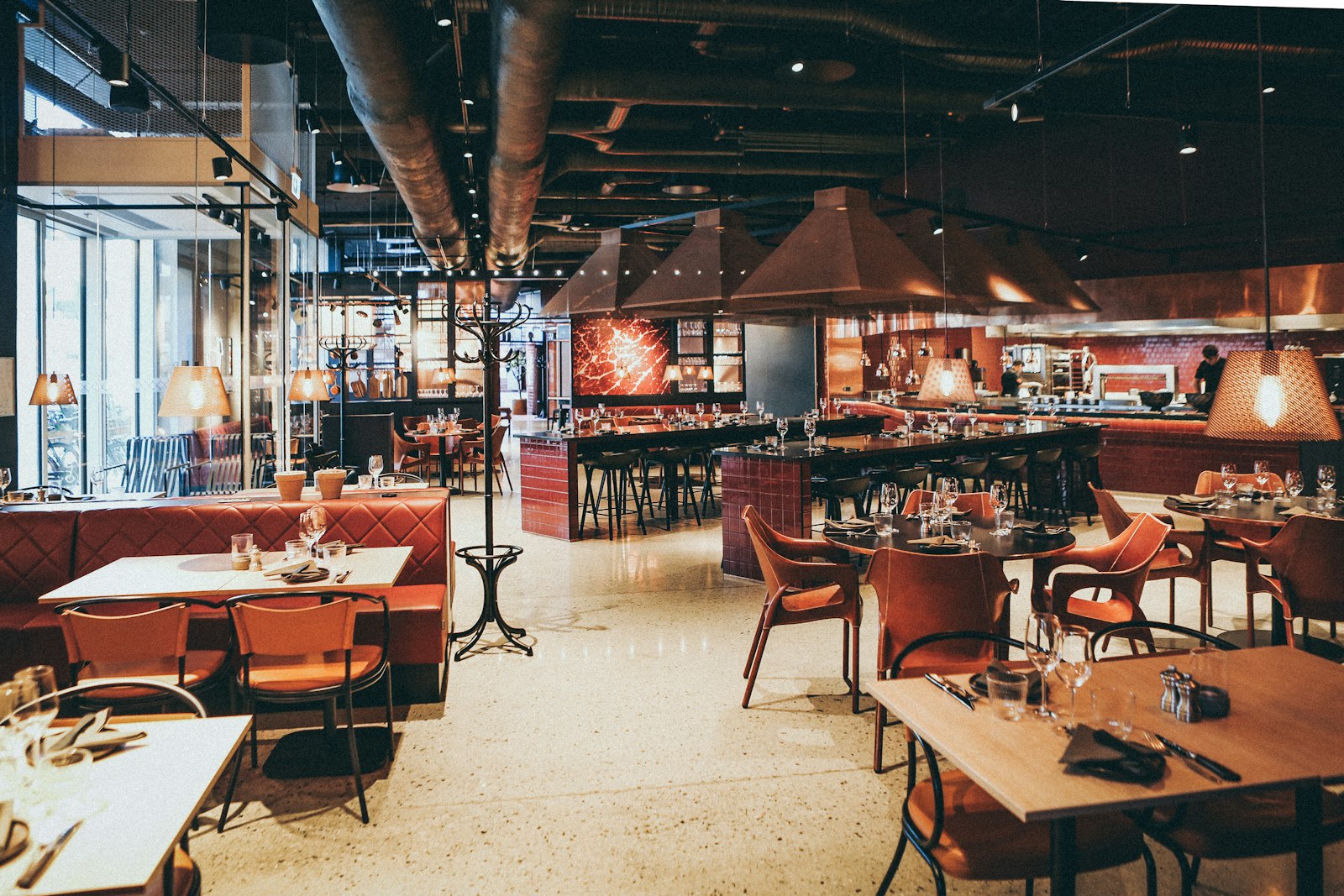
There's a particular kind of quiet that settles over a place when the crowds thin out. Not silence—something richer than that. The sound of rain on terracotta without competing voices. The echo of your footsteps in a corridor usually filled with the purposeful stride of business travelers. The way a server remembers your name on the second morning, because there's finally space to notice.
We've learned something unexpected over the years: the so-called "off-season" isn't actually off at all. It's just... different. Softer around the edges. More honest, somehow.
When couples arrive in November, or February, or those strange in-between weeks when the calendar doesn't promise anything special, they arrive differently. There's less performance. Less of the orchestrated romance that high season seems to demand—the champagne on arrival, the sunset timed to the minute, the flawless Instagram story. Instead, there's permission to simply be together without an audience, without the pressure of peak-season perfection.
What Isn't Advertised
The practical truth is yes, rates shift when demand softens. But that's the least interesting part of what changes.
What we've noticed is this: when fewer rooms are occupied, the entire property exhales. Our small team—people who've worked here long enough to know which hinge on which door needs oil, who remember guest preferences from visits months prior—these same people suddenly have the luxury of time. Time to have an actual conversation. Time to suggest the walking path that locals take, not the one in the guidebook. Time to move a table to catch the afternoon light just so, because it matters and because they can.
One couple told us they'd initially booked a weekend in March reluctantly, forced by schedule constraints to miss the summer window. "We thought we were settling," the woman said over breakfast. "We were wrong. This feels like we found something that wasn't meant for tourists at all."
The Rhythm of Rain and Radiators
There's an intimacy to low season that can't be manufactured. The warmth of a room when it's genuinely cold outside. The particular comfort of knowing you won't be jostled at breakfast, won't need to stake claim to a quiet corner. The freedom to linger over coffee while rain streaks the windows, with nowhere you're supposed to be and nothing you're supposed to photograph.
We keep the fires going longer. We pay attention to different details—the quality of blankets matters more than the readiness of the pool. The lighting in reading nooks becomes significant. Small thoughtful gestures replace grand seasonal programming.
And somehow, paradoxically, this stripped-back version of hospitality feels more generous. More true to what people actually need when they travel together: not spectacle, but sanctuary. Not entertainment, but the rare gift of uninterrupted attention—to each other, to the place, to the small moments that constitute an actual relationship rather than its social media representation.
What We've Unlearned
For a long time, the hospitality industry taught us that more is more. More amenities, more activities, more reasons to never feel bored or uncertain or left to your own devices. Peak season became the model we chased year-round.
But relationships don't work that way. Neither, it turns out, does meaningful travel.
The couples who arrive when nobody expects them to—who choose a weekend for no reason other than the desire to be away together—these are often the ones who leave differently. Less frantic. More rested. Connected in a way that has nothing to do with what they did and everything to do with the space they were given to remember why they wanted to be together in the first place.
A man checking out last January said something that stayed with me. He'd been here with his wife for their anniversary—not a milestone number, just the regular annual one that often gets overlooked. "We could have waited for summer," he said. "Better weather, better light for photos. But I think we would have missed this." He gestured vaguely at the grey morning, the quiet terrace, the table where they'd sat alone for an hour. "This actual feeling."
The Invitation Nobody Mentions
So yes, visiting outside the conventional calendar means gentler pricing. It means availability when you need it rather than months of advance planning. It means practical advantages that make a romantic escape actually feasible instead of theoretically lovely but prohibitively complicated.
But it also means something nobody puts in the marketing copy: it means arriving when a place is most itself. When we're less concerned with performing hospitality and more able to simply offer it. When you're less concerned with maximizing every expensive minute and more able to waste time in exactly the way couples need to waste it—slowly, aimlessly, together.
The empty season has its own fullness. A different abundance. And for those willing to choose it deliberately rather than reluctantly, it offers something increasingly rare: the luxury of not being rushed, not being sold to, not being part of a crowd.
Just two people, a quiet place, and enough space for whatever it is you came here to find.
When you're ready for that kind of quiet, Villa QA keeps the fires burning year-round.